

African Telecom Operators Urged to Embrace Infrastructure Sharing to Reduce Costs and Boost Connectivity
The call for telecom operators in Africa to adopt infrastructure sharing has intensified, as rising costs and economic pressures threaten to stifle connectivity across the continent. Temitope Osunrinde, Vice President of Marketing and Partnerships at Tizeti—a leading internet service provider—emphasized this strategy in a recent LinkedIn post.
Osunrinde highlighted the mounting financial strain on African telecom providers, driven by surging operating costs, economic instability, and currency fluctuations. These challenges have led Nigerian telecom operators to advocate for a tariff hike—the first in over a decade—to counteract the escalating expenses. However, Osunrinde proposed a more sustainable solution: collaborative resource pooling through infrastructure sharing.
A Collaborative Solution to a Growing Problem
Instead of each operator investing individually in infrastructure, Osunrinde suggested aggregating demand and sharing equipment.
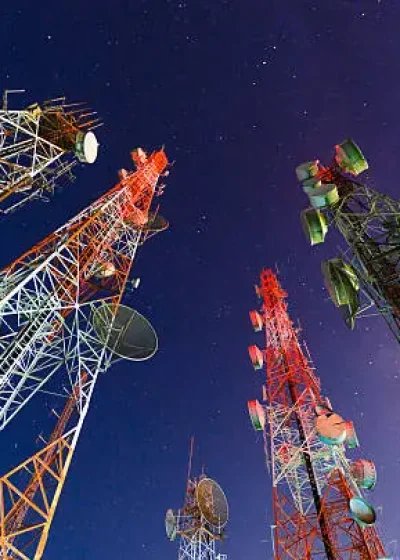
This strategy, he explained, could significantly reduce costs, stimulate local manufacturing, and foster partnerships with pan-African corporations such as Dangote and Coca-Cola, ultimately expanding service reach.
“By consolidating demand, we can lower equipment costs, ease the financial burden on telecom operators, and make essential services more affordable,” Osunrinde said.
Addressing Africa’s Digital Divide
As the convener of Hyperscalers Convergence Africa, Osunrinde noted the rapidly growing demand for mobile connectivity across the continent. Yet, the high cost of infrastructure remains a critical barrier to extending coverage in underserved regions.
The situation is dire: only one in three Africans currently has access to mobile connectivity, leaving millions without access to vital services like education, healthcare, and financial tools. Meanwhile, the cost of rolling out telecom services has skyrocketed—rising by at least 50% in the past year due to global economic trends and foreign exchange volatility.
“We’re facing a perfect storm,” Osunrinde warned. “High costs and regulatory uncertainties are pulling us further away from the digital future we envision.”
Bridging the Digital Gap for Africa’s Growing Population
Africa’s population is growing at an annual rate of 2.4%, intensifying the urgency to bridge the digital divide. Osunrinde highlighted the stark global disparity in digital access: while individuals in North and South America typically come online by age 12.6, and in Asia by age eight, Africans wait an average of 23 years to fully access the digital world.
For Africa to accelerate its digital transformation, collaborative approaches like infrastructure sharing are essential. By embracing this model, telecom operators can reduce costs, expand coverage, and pave the way for a more connected future.
Why Infrastructure Sharing is the Future of African Telecom
- Cost Efficiency: Aggregated demand reduces equipment costs and lowers operating expenses.
- Local Economic Growth: Stimulates local manufacturing and fosters partnerships with African businesses.
- Improved Accessibility: Makes digital services affordable for more people, bridging the connectivity gap.
- Sustainable Growth: Reduces redundancy in infrastructure investment, allowing resources to be directed toward underserved areas.
As Osunrinde aptly summarized, the time to act is now. By working together, African telecom operators can overcome financial and logistical challenges, ensuring connectivity for millions and driving economic development across the continent.